
Explore Topics
- All
- HTML
- CSS
- JavaScript
- React
- Node.js
- Express
- Database
- Python
- Flask
- C/C++
- Authentication
- OOP
- AI
- Next.js
- Operating System

We’ve all seen it: a beautifully designed React app that breaks the moment you hit "Refresh." Or a search result page that, when shared with a colleague, leads them to a blank "No Results Found" screen because the search state was tucked away in a local useState hook instead of the URL.

Publishing your own React hook to npm is a massive milestone. It allows you to reuse your code across projects and share your work with the global developer community.

Shadcn/ui is a beautiful, highly customizable component library for React, built on top of Tailwind CSS and Radix UI primitives. It’s perfect for creating modern, accessible UIs that look great out of the box.

One of the most common tasks in React development is rendering a list of items. Whether you’re displaying data fetched from an API or a simple array of values, React provides a straightforward way to generate a series of components using JavaScript’s array methods.

React components are the building blocks of a React application, allowing you to break your UI into reusable, isolated pieces. While React initially offered both class and function components, the modern best practice is to use function components—thanks to their simplicity and the power of Hooks.

Conditional rendering is one of React’s most powerful features, enabling you to build dynamic, interactive user interfaces that respond seamlessly to user input and application state changes.

When writing JavaScript, errors are an inevitable part of the development process. Understanding the different types of errors not only helps you debug your code faster but also improves your overall coding skills. In this post, we'll explore the main error types in JavaScript—what they are, why they happen, and how to recognize them with simple examples.
The useEffect Hook is one of the most powerful tools in React for managing side effects in functional components. If you’re transitioning from class-based components or simply want to deepen your understanding of React Hooks, this guide will walk you through the ins and outs of useEffect, including its basic usage, advanced patterns, and best practices.

React is built on a component-based architecture, where data flows from one component to another. Understanding how to pass data between components is crucial for building dynamic and interactive applications. In this guide, we’ll explore several common scenarios and techniques for passing data between components.
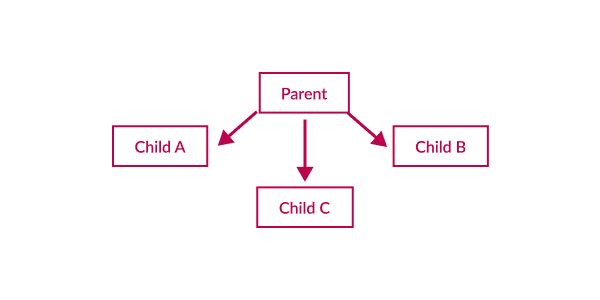
In React, data is often passed between components using props. But what happens when you need to pass data through several layers of components that don’t necessarily use that data? This is where prop drilling comes in. In this post, we'll explain what prop drilling is, why it can be problematic, and how to manage it.

When developing React applications, you may have encountered a special prop called children. While it might seem straightforward at first, the children prop holds a pivotal role in building reusable and dynamic components.

When developing React applications, you often encounter the need to pass numerous props to components. Managing these props can become cumbersome, especially when designing reusable components. One solution that simplifies prop handling is the rest (...rest) prop pattern.